 Skip to content
Far too many homeowners today have unused space in their homes. One of the most common areas for wasted space is the attic. Remodelling an attic creates new space for daily use, but the project’s success depends on how well the space performs under changing temperature and moisture conditions.
The space above your living areas significantly affects comfort, heating and cooling demand, indoor air quality, and long-term durability. Before focusing on layout, finishes, or interior styling, it is essential to plan an efficient attic system that ensures a consistent, comfortable environment year-round.
Key takeaways
- An energy-efficient attic setup involves insulation, air sealing, and ventilation working together.
- Planning these features early improves comfort and protects your home.
- It also helps prevent condensation, mould, and material damage.
- Homeowners gain clearer expectations about project scope and choices.
- Professional help becomes valuable when tasks extend beyond simple repairs.
This guide covers the fundamentals of attic efficiency, how to plan for efficiency during attic remodeling, when DIY is feasible, and when to hire an attic remodeling company. It also helps you navigate choices when comparing attic remodel near me options so that you can choose the right professional.
What Is an Efficient Attic System?
It’s a combination of insulation, air sealing, ventilation, and moisture control that keeps your attic and home comfortable and energy‑efficient year‑round.
An efficient attic works as a system, managing heat flow, air movement, and moisture together—not in isolation. Core components include insulation with the right R‑value for your climate, air sealing of gaps and attic hatches, and balanced ventilation with intake and exhaust, sometimes supported by solar or powered fans.
In hotter regions, radiant barriers help reduce heat transfer, while duct sealing and insulation are critical if HVAC runs through the attic. If you’re converting an attic into living space, treating these elements properly helps ensure comfort and prevent extreme temperatures.
Why Efficiency Should Be Step One When Remodeling an Attic in Massachusetts
Efficiency should be the foundation of any attic remodel, ensuring comfort, energy savings, moisture control, and long-term value before design or aesthetic improvements.
Comfort and Usability
Remodeled attics often become “bonus rooms” that no one wants to use because they are too hot, too cold, too humid, or too noisy. An optimized attic system prevents these issues by stabilizing the temperature and airflow.
Energy and HVAC Efficiency
An inefficient attic puts enormous strain on your HVAC system. When insulation, radiant barriers, or ventilation are lacking, your heating and cooling equipment works harder to compensate for lost air or extreme temperatures. This not only increases energy bills but also shortens the system’s lifespan.
Moisture Control and Building Health
Condensation, mould, wood rot, and even ice dams can result from poor air sealing and ventilation. Moisture is a leading cause of attic-related damage, and an efficient attic system helps prevent these long-term structural issues.
Resale Value
Inspectors often evaluate attics closely. A well-designed attic system increases your home’s value by providing sound insulation, proper ventilation, and preventing water damage.
Related content: How to Convert Your Attic Into a Livable Space — Trusted Remodel Contractors in Boston, MA
Core Components of Efficient Attic Systems
Understanding the core components of a high-performance attic system helps homeowners make more intelligent choices that improve comfort, boost energy performance, and support long-term home efficiency.
Insulation: Types, R-Values, and Placement
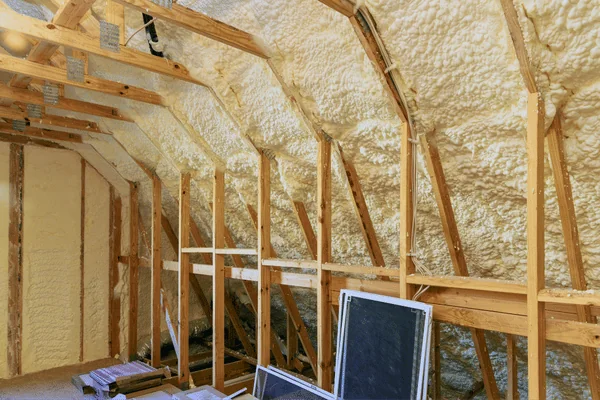
Insulation determines how well your attic resists heat transfer. While types vary, such as blown-in, fiberglass batts, and spray foam, the key is using the correct R-value for your region. For storage, insulation typically sits on the attic floor. For a finished attic, the roof deck must be insulated instead, turning the attic into a conditioned space.
Air Sealing and Duct Sealing
Air leaks are often the most significant source of discomfort. Typical leak points include recessed lighting, plumbing penetrations, and gaps around framing. If your HVAC ducts run through the attic, sealing and insulating them is essential to avoid energy loss.
Ventilation
A balanced ventilation system keeps attics dry and cool. This can involve soffit vents, ridge vents, gable vents, or powered attic fans. Ventilation works with insulation to regulate temperature and prevent moisture.
Radiant Barriers
Radiant barriers reflect heat before it enters your attic. They are critical in warmer climates, where attic temperatures can reach extreme levels. They complement insulation but do not replace it.
Attic Access and Storage
A well-insulated attic door or stair cover prevents energy loss. If you plan to store items in the attic, install safe walkways or platforms without compressing the insulation.
Planning an Efficient Attic When Remodeling an Attic
Proper planning is essential when remodeling an attic to ensure comfort, energy efficiency, and a durable, functional space for long-term use.
Assess Your Starting Point
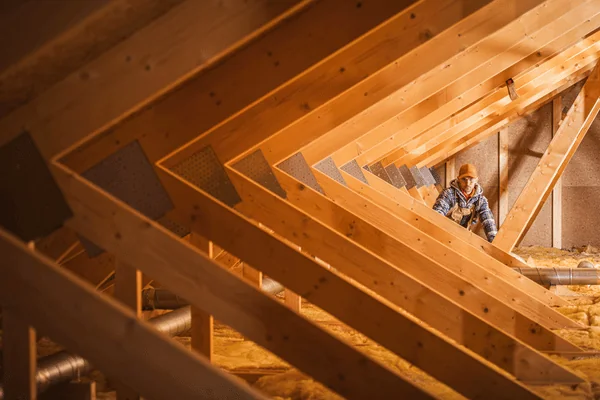
Before making design or structural decisions, start with a thorough visual inspection. Check the existing insulation depth, look for visible gaps, dark staining, mould, or signs of pests. These observations reveal potential issues that could affect comfort, energy efficiency, and long-term durability.
For more complex situations, consider hiring professionals or scheduling an energy audit. Professionals can identify hidden problems, measure airflow, and provide recommendations that ensure your attic remodel begins with a solid, efficient foundation.
Define Your Goal
Clarify how you intend to use your attic: storage-only, a fully finished living space, or a hybrid use, such as an office or guest room with some storage. Your intended use determines the required levels of insulation, air sealing, and ventilation.
Storage-only spaces can support simpler efficiency upgrades, while fully finished attics require higher performance standards to maintain comfort, control moisture, and manage temperature year-round.
Follow the Proper Design Sequence
Efficiency should always come first in any attic remodel. The recommended sequence is:
- Envelope improvements – install or upgrade insulation, seal air leaks, and optimize ventilation.
- Structural and layout adjustments – add stairs, dormers, or windows as needed.
- Finishing touches – install plasterboard, flooring, built-ins, and other final elements.
Following this sequence ensures that energy efficiency is integrated from the start, rather than being compromised by later design changes.
Budget Overview
Implementing an attic system incurs upfront costs but pays off through lower long-term heating and cooling expenses. While exact local pricing varies, planning for these costs early prevents expensive repairs or retrofits later. Prioritizing insulation, ventilation, and air sealing during remodeling creates a finished attic that is both comfortable and energy-efficient, providing lasting value for your home.
DIY vs Hiring an Attic Remodeling Company
Understanding which attic tasks are safe to DIY and which require professional help ensures a successful remodel, comfort, and long-term efficiency.
What’s Safe to DIY
Homeowners can handle minor improvements such as light air sealing, basic insulation top-ups, or creating simple storage pathways. Ensure all tasks are safe, code-compliant, and do not interfere with ventilation, electrical wiring, or structural elements. DIY work is suitable only for straightforward upgrades that don’t impact overall attic performance or compromise comfort and energy efficiency.
What Should Be Left to the Pros
Complex or high-risk projects require the services of an attic remodeling company. This includes electrical work, structural modifications, spray foam insulation, major ventilation redesigns, and finishing the attic as a habitable space. Professionals have the expertise, tools, and certifications to handle these tasks safely and ensure your attic system functions efficiently for long-term comfort and energy savings.
How to Use “Attic Remodel Near Me” Intelligently
When searching online for a contractor, evaluate:
- Certifications, licenses, and professional credentials
- Experience with both attic finishing and energy-efficiency upgrades
- Before-and-after photos of past projects
- Customer reviews and testimonials
- Ability to address insulation, air sealing, and ventilation as a complete system
Doing your research helps you choose a company that delivers both comfort and lasting energy savings, ensuring a successful attic remodel.
How to Choose the Right Attic Remodeling Company
Choosing the right contractor ensures your attic remodeling project delivers comfort, energy efficiency, and lasting performance, backed by professional expertise and reliable results.
Credentials and Experience
When choosing a contractor, look for a team with proven expertise in both energy-efficiency upgrades and remodeling attics into usable living spaces. This combination is essential because your attic’s performance depends on how insulation, air sealing, ventilation, and structural changes work together.
A company that specializes in a single area may overlook critical details. Partnering with an efficient attic specialist, such as an attic remodeling company with dedicated training and certification, helps ensure your project delivers comfort, safety, and long-term energy savings.
Questions to Ask Before Hiring
Before committing, ask targeted questions that reveal how thoroughly the contractor understands attic performance:
- Have you worked on homes of my age and construction type? Older homes often need special handling.
- How do you address insulation, air sealing, and ventilation as a complete system? This indicates whether they prioritize holistic efficiency.
- Do you provide before-and-after photos, blower door tests, or performance documentation? Proof of results matters for evaluating real improvements.
These questions help you identify specialists who treat the attic as an interconnected environment rather than a simple construction project.
What a Good Proposal Should Include
A trustworthy proposal should clearly outline:
- Scope of work—insulation type and levels, exact air-sealing locations, planned ventilation upgrades, and any structural adjustments.
- Expected performance benefits—such as temperature stabilization, moisture control, improved comfort, and estimated energy savings.
- Timeline and project plan—including start dates, completion expectations, and any required inspections.
The more specific the proposal, the easier it is to compare contractors and understand what you’re paying for.
Local and Ongoing Support
Choose a company that provides strong local service and continues supporting you after the job is done. This includes warranties, follow-up checks, and long-term maintenance, which are essential if your attic is now a bedroom, office, or other living space. Reliable post-project support ensures your efficient attic system performs well for years and protects your investment in comfort and energy savings.
Common Mistakes and Myths
Attic efficiency often suffers from misconceptions. Understanding common mistakes helps homeowners improve comfort, reduce energy waste, and ensure long-term performance.
“More insulation is always the answer.”
Insulation alone cannot fix comfort or efficiency issues. Without proper air sealing and ventilation, heat escapes, drafts persist, and moisture builds up. Insulation works best as part of a complete attic system.
“You don’t need ventilation in a well-insulated attic.”
Even insulated attics require ventilation to control temperature, moisture, and indoor air quality. Balanced airflow prevents mold growth, condensation, and structural damage, ensuring the attic system operates efficiently and safely.
“Any contractor can handle an attic remodel.”
Attics present unique challenges: structural loads, condensation risks, and code compliance requirements. A specialist remodeling company ensures these issues are addressed, protecting comfort, safety, and long-term energy efficiency.
“If the space feels okay now, it’s efficient.”
An attic may feel comfortable, but still waste energy or hide moisture issues. Actual efficiency depends on how well insulation, air sealing, and ventilation work together.
FAQs
1. What is an efficient attic system?
This approach integrates insulation, ventilation, and air sealing to control heat transfer, manage moisture, and prevent air leaks. By addressing these three elements together, it improves indoor comfort, reduces energy loss, and helps maintain consistent temperatures throughout the home year-round.
2. Will upgrading my attic really lower my energy bills?
Yes. Better insulation, ventilation, and air sealing significantly reduce heat loss and help your HVAC system use less energy year-round.
3. Can I add insulation myself when remodeling an attic?
You can add basic insulation, but proper installation and air sealing are easier and safer with professional guidance.
4. Do I need to upgrade ventilation if I finish my attic as a bedroom or office?
Yes. Finished attics require upgraded ventilation to regulate temperature, control moisture, and maintain safe indoor air quality.
5. When should I call an attic remodeling company rather than DIY?
Call professionals for structural changes, electrical work, ventilation upgrades, or when insulation requires specialized tools and certified installation.
Final Thoughts on Attic System Renovations
Remodelling an attic is one of the most rewarding ways to expand your home, but its long-term comfort and performance depend on the efficiency of the attic system beneath the finishes.
By focusing on insulation, air sealing, ventilation, and moisture control from the start, you create a space that stays comfortable through every season while reducing energy waste and protecting your home.
If you’re comparing attic remodel options near you, choose an attic remodelling company that understands both efficiency and high-quality living spaces. With the right team, your attic can become a durable, comfortable, and genuinely useful part of your home.


